

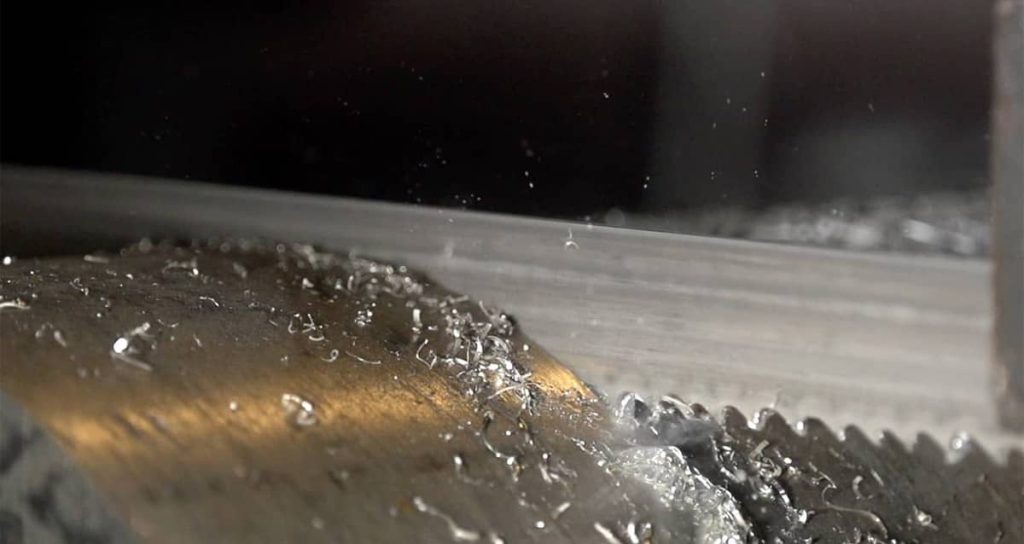
If you find yourself replacing bandsaw blades more often than expected, the natural assumption is that you need better blades. Before spending money on premium tooth materials or specialized geometries, consider a different question: what is your machine doing to the blade? Premature blade failure frequently originates not from the blade itself but from worn or misadjusted machine components that accelerate wear on any blade you install. A diagnostic approach that examines the machine first can save you from buying the wrong solution repeatedly.
This matters because blade costs add up quickly, and upgrading blade material only helps if the blade can actually perform as designed. A high quality M42 cobalt blade will still fail early if guide bearings allow deflection, wheel tires create tracking problems, or coolant never reaches the cut. Identifying and correcting these machine side causes often costs less than a cycle of repeated blade replacements and delivers longer life from whatever blade you choose to run.
Guide Assembly Wear: Bearings, Blocks, and Alignment
The blade guide assemblies, both above and below the table, keep the blade stable under cutting load. When guide bearings develop play or carbide guide blocks wear grooves into their contact surfaces, the blade gains freedom to deflect laterally during cuts. This deflection causes uneven tooth loading, which concentrates stress on certain teeth while others do little work. The result is accelerated fatigue at the blade’s weakest points and premature cracking in the gullet area.
Inspection is straightforward. With the blade tensioned but the machine off, try to move the blade side to side within the guides. Any perceptible play indicates worn components. Look at guide block faces for visible grooves or shiny wear tracks. Spin roller bearings by hand and feel for roughness or resistance. If bearings wobble on their shafts or blocks show obvious wear channels, these components need replacement before evaluating blade performance. The guides affect blade stability regardless of blade quality, so worn guides will shorten the life of budget and premium blades alike.
Wheel Tire Condition and Tracking Problems
The rubber or urethane tires on bandsaw wheels cushion the blade and help it track consistently. Over time, these tires harden, crack, or wear unevenly, creating conditions that destabilize blade tracking and cause uneven tension distribution across the blade width. A blade that cannot track consistently will wander during cuts, generating side loads that accelerate wear and can lead to fatigue failures.
Examine wheel tires with the blade removed. Run your fingers across the tire surface, feeling for hardness, cracks, or ridges where the blade has worn a channel. Tires should have some compliance when pressed. If the rubber feels rock hard or shows visible checking, replacement is overdue. Uneven wear, where one side of the tire is noticeably lower than the other, indicates a tracking or alignment issue that the tire has been compensating for. Addressing tire condition is often overlooked because the tires are less visible than guides or blade teeth, but their condition directly influences whether your blade can track properly and maintain even tension.
Tension Mechanism: Springs, Gauges, and Calibration Drift
Correct blade tension keeps the blade stable during cutting and prevents excessive flexing that leads to fatigue cracking. Most bandsaws include a built in tension indicator, but these gauges often drift out of calibration over time. More significantly, the springs that provide tension force weaken with age and use. A gauge might read correct tension while the actual force on the blade falls well short.
Undertensioned blades wander during cuts and generate excess heat from increased flexing. Overtensioned blades fatigue faster and may crack at the gullets. If you suspect tension problems, check your blade manufacturer’s specifications for recommended tension values and consider independent verification rather than trusting the machine’s indicator alone. Some operators use a blade tension meter, though these tools add cost. At minimum, if your machine’s tension indicator has never been verified against actual blade tension and you are experiencing unexplained blade failures, this represents a variable worth investigating before concluding that you need different blades.

Coolant Delivery: Flow, Concentration, and Nozzle Positioning
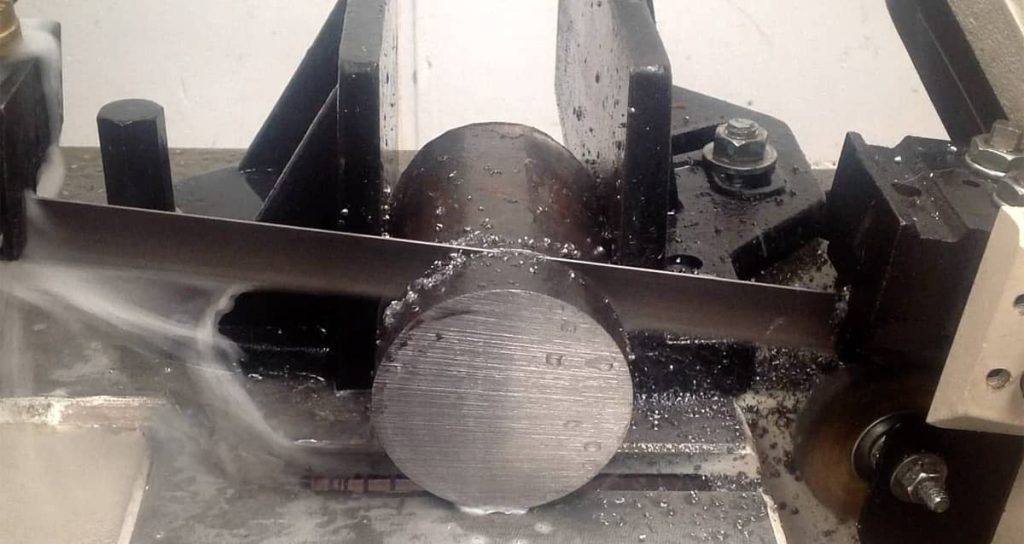
On metal cutting bandsaws, coolant serves multiple functions: reducing cutting temperature, lubricating the chip interface, and flushing chips from the gullet. When coolant delivery falls short, heat builds rapidly at the tooth tips, softening the blade material and accelerating wear. Coolant system neglect is among the most common and most correctable causes of shortened blade life.
Inspect the coolant system by watching flow during a cut. Coolant should reach the blade at the point where teeth enter the material. If flow appears weak, check for clogged nozzles, kinked lines, or a failing pump. Verify that coolant concentration matches the manufacturer’s recommendation, as diluted coolant loses its lubricating and cooling effectiveness. Repositioning nozzles so coolant actually reaches the cut zone, rather than splashing nearby, can meaningfully extend blade life without any change to the blade itself. For those researching blade options alongside machine maintenance, Sawblade.com offers technical resources on both blade selection and application requirements.
Feed Rate and Speed Settings: When Operator Habit Accelerates Wear
Blade wear patterns often reveal whether operating parameters match the material being cut. Aggressive feed rates overload teeth and can strip them from the blade body. Excessive blade speed generates heat faster than coolant can dissipate it. Running too slowly allows teeth to rub rather than cut, work hardening the material surface and dulling the blade. These are operator and setup factors, not blade defects.
Look at your used blades for diagnostic clues. Blue or straw colored discoloration on tooth tips indicates overheating, usually from excessive speed, insufficient coolant, or feed rates too aggressive for the blade’s heat dissipation capacity. Teeth stripped cleanly from the blade body suggest feed pressure beyond what the tooth geometry can handle. Cracks originating in the gullet often point to fatigue from flexing, which relates back to tension, guide condition, or excessive feed pressure. When blade wear patterns consistently show heat damage or mechanical overload, adjusting parameters costs nothing and may solve the problem before you consider different blades.
When the Blade Really Is the Problem
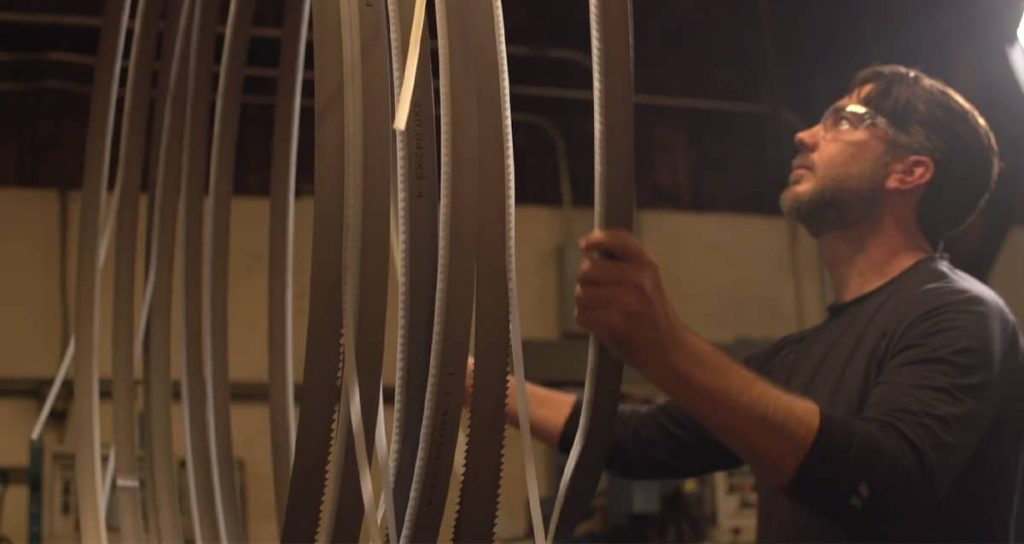
After verifying machine condition and operating parameters, sometimes the blade genuinely is mismatched to the application. Using too fine a tooth pitch for thick material packs chips in the gullet and causes heat buildup. Too coarse a pitch on thin material produces a rough cut and may catch or strip teeth. Standard carbon steel blades wear quickly on hard or abrasive alloys where bi metal or carbide tipped blades would be appropriate.
If machine components check out and parameters are reasonable, then evaluating blade selection makes sense. Consider the specific materials you cut most often and whether your current blade geometry and material suit those applications. For mixed production environments, band saw blade products at Sawblade.com can help you compare tooth configurations and materials once you have ruled out machine side factors. The key is to pursue blade upgrades as a targeted solution after diagnosis, not as a first response to any wear problem.
Building a Maintenance Baseline
Establishing a regular inspection routine helps you catch wear before it shortens blade life significantly. Check guide bearings and blocks monthly if the machine runs daily. Examine wheel tires quarterly and whenever you notice tracking drift. Monitor coolant concentration weekly during heavy use periods. These intervals are starting points; your specific usage pattern may require more or less frequent attention.
Keep basic records of blade changes and the condition of each removed blade. Patterns emerge over time: if blades consistently show gullet cracking, that points toward tension or flexing issues. Persistent heat discoloration suggests coolant or speed problems. Irregular tooth wear indicates guide or tracking instability. These records transform blade replacement from a recurring expense into diagnostic data that guides your maintenance priorities. Additional troubleshooting information is available at Sawblade.com’s homepage for operators seeking material specific guidance.