

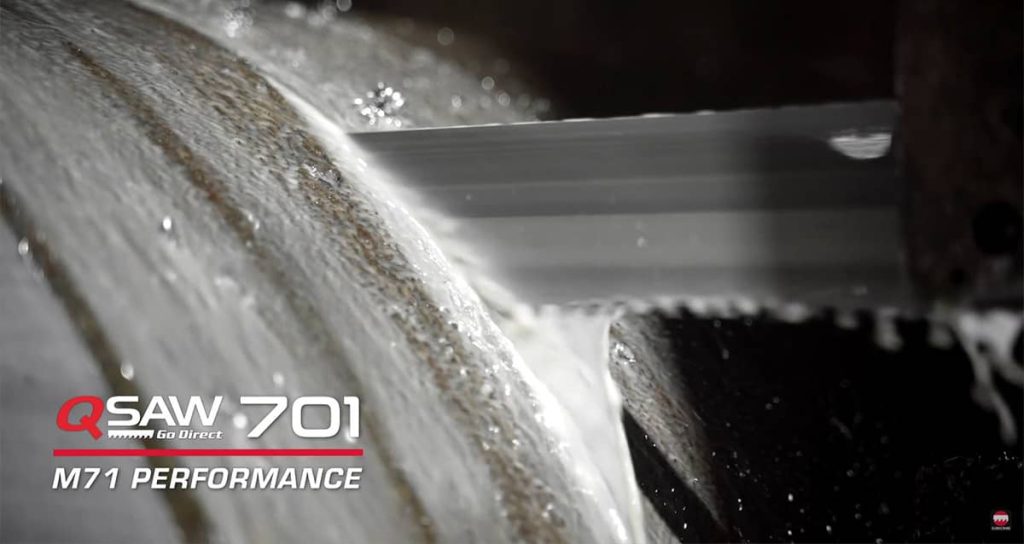
Your blade is dulling faster than it should. Before ordering a higher-grade replacement, consider whether blade grade is actually the problem. Many shop owners jump from M42 to M51 or M71 expecting longer life, only to find the new blade fails just as quickly. The issue often lies elsewhere: worn drive wheels, misaligned guides, incorrect feed rates, or inadequate coolant delivery. A premium blade on a poorly maintained saw wastes money. This article helps you determine whether your current grade genuinely mismatches your cutting conditions or whether other wear points deserve attention first.
What M42, M51, and M71 Actually Indicate
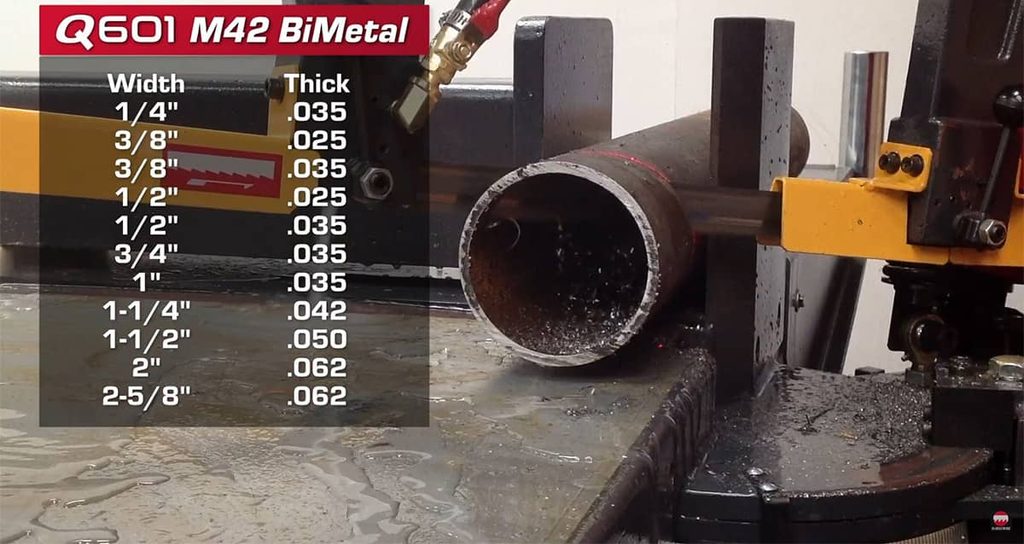
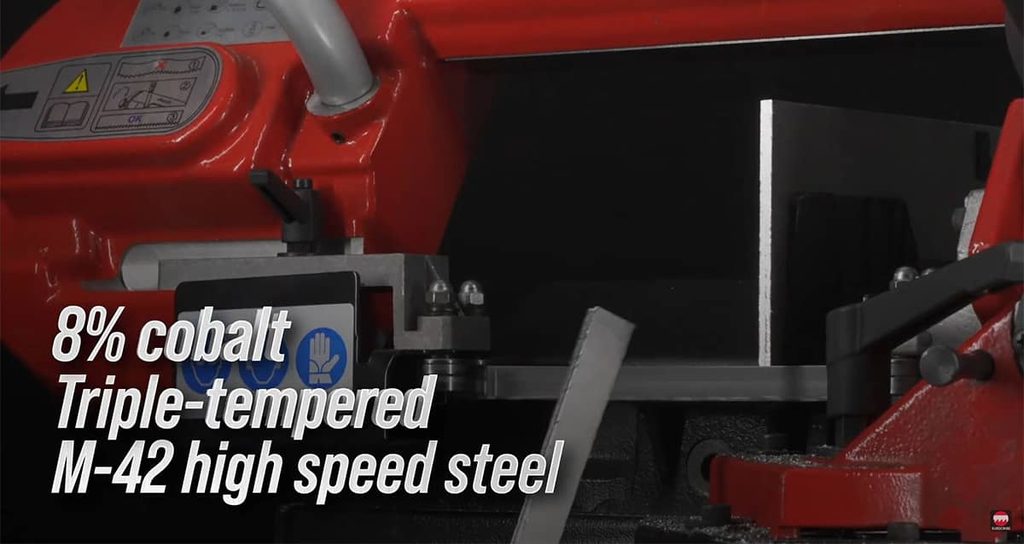
These designations refer to high-speed steel grades used in bimetal bandsaw blade tooth tips. The numbering relates to cobalt content and the resulting heat resistance. M42 contains a moderate cobalt percentage and handles most general metalworking applications. M51 incorporates additional cobalt, offering better red hardness for cutting materials that generate more heat. M71 represents the highest common cobalt grade, intended for the most demanding continuous-production environments and heat-intensive cuts.
Higher cobalt content allows the tooth edge to maintain hardness at elevated temperatures. This matters when cutting stainless steel, high-nickel alloys, or running extended production cycles without breaks. However, higher grades cost more and provide no advantage if your cutting conditions never generate enough heat to benefit from that additional resistance.
Reading Tooth Wear to Identify the Real Problem
Before assuming grade mismatch, examine your worn blade carefully. Different failure patterns point to different causes, and many have nothing to do with cobalt content.
Tooth strippage where entire teeth break away often indicates excessive feed pressure, improper tooth pitch for the material thickness, or a blade that has lost proper tension. Switching to a higher grade will not prevent strippage caused by mechanical overload. Gullet cracking typically results from chip packing when cutting soft, gummy materials or from inadequate coolant flushing chips from the cut. A higher-grade blade cracks the same way under these conditions. Gradual edge rounding without strippage or cracking suggests normal wear from abrasion. If this happens quickly on hard alloys or stainless, a higher-grade blade may help. If it happens quickly on mild steel, suspect speed, feed, or coolant problems instead.
Blue discoloration on tooth tips indicates heat damage. On M42 cutting difficult alloys, this may justify upgrading. On any grade cutting mild steel, discoloration points to excessive speed, insufficient coolant, or dull teeth being pushed too hard rather than replaced.
Matching Grade to Your Actual Material Mix
The right grade depends on what you cut most often, not on what seems like the best quality. A shop primarily cutting mild steel, structural shapes, and aluminum gains nothing from M71. The cutting temperatures in these materials rarely approach the threshold where extra cobalt extends edge life. M42 handles this work efficiently, and the lower blade cost means you can replace blades more frequently without budget strain.
M51 becomes relevant when your material mix regularly includes stainless steel, tool steels, or alloys with higher hardness. If you notice M42 blades dulling noticeably faster on these materials than on carbon steel, and your machine setup is correct, M51 may reduce your per-cut cost by lasting proportionally longer on the harder stock.
M71 suits shops with continuous production on difficult alloys, high-nickel superalloys, or titanium where blade-to-material contact time is extended and heat buildup is unavoidable. For intermittent use or mixed-material shops, M71 rarely pays for itself. Sawblade.com offers resources for identifying blade specifications suited to specific material applications.
Check Machine Condition Before Upgrading
A blade operates within a system. Worn or misaligned components cause premature blade failure regardless of grade. Before spending more on premium blades, inspect these wear points.
Drive wheels with worn crowns or damaged surfaces cause blade tracking problems and uneven tension. A blade that wanders or vibrates dulls faster and may strip teeth. Inspect wheel surfaces for grooves, flat spots, or hardened debris. Guide blocks or bearings that no longer hold the blade square to the work cause angled cuts and concentrate wear on one side of the blade. Check for play and wear marks. Blade tension that cannot be properly set due to a worn tensioning mechanism leads to blade flutter and premature fatigue cracking.
Coolant delivery problems cause heat damage that mimics grade inadequacy. Verify that coolant reaches the cut, that concentration is correct, and that nozzles are not clogged. A blade running dry or with weak coolant fails fast regardless of cobalt content.
Estimating Whether a Grade Change Saves Money
A more expensive blade only makes economic sense if it lasts proportionally longer or reduces other costs like machine downtime. Without access to your specific supplier pricing, you can still estimate value by tracking your current blade life in cuts or hours, then comparing that to how long a higher-grade blade lasts on the same work.
If an M51 blade costs noticeably more than M42 but only lasts slightly longer on your typical material, the upgrade does not pay. If it lasts substantially longer when cutting your harder stock, the higher purchase price may reduce your cost per cut. The calculation depends on your production volume. A shop making a few cuts per day rarely benefits from premium grades. A shop running continuous shifts on stainless may find the upgrade worthwhile.
Keep simple records: blade cost, hours or cuts before replacement, and primary material cut. This data reveals whether grade changes actually affect your bottom line or just your parts budget.
When M42 Remains the Practical Choice
M42 suits most general fabrication shops. If your work consists primarily of carbon steel, aluminum, brass, and occasional mild stainless, and you are not running extended production cycles, M42 provides adequate performance at lower cost. Replacing blades more frequently with M42 often costs less overall than stretching blade life with premium grades.
Shops with intermittent use patterns also benefit from staying with M42. Blades that sit idle between cuts do not gain longevity from higher cobalt content. The advantage of premium grades emerges during sustained cutting where heat accumulates. If your saw runs for short periods with cooling time between jobs, M42 handles the work without the premium cost.
Conditions That Justify M51 or M71
Consider upgrading when you consistently cut materials that generate significant heat and your machine is in good condition with proper coolant delivery. Stainless steel, Inconel, titanium, and hardened tool steels benefit from higher-grade blades because the cutting temperatures approach or exceed what M42 tolerates. Extended production runs where the blade stays in continuous contact with work also justify the upgrade.
M51 serves as a reasonable middle step. If M42 shows heat discoloration on your stainless work but your volume does not justify the highest-tier blade cost, M51 may provide the needed improvement without excessive expense. M71 makes sense for specialized shops with high-volume production on exotic alloys where blade changes represent significant downtime. For most mixed-use fabrication shops, M71 exceeds practical requirements.
Choose the Right Bi-Metal Bandsaw Blade for Cutting Mixed Materials
Cutting different materials with the same bandsaw blade can be challenging, especially when switching between carbon steel, stainless steel, aluminum, and other alloys with varying hardness and machining characteristics. Choosing the wrong blade can lead to premature tooth wear, inconsistent cutting performance, and unnecessary downtime. Our article, “Cutting Mixed Materials: How to Pick the Right Bi-Metal Bandsaw Blade,“ explores the key factors to consider when selecting a versatile blade for workshops handling a wide range of materials. Discover how tooth pitch, blade geometry, cutting speed, and bi-metal blade grades influence performance across different applications. Whether you’re comparing M42 and other bi-metal options or looking to reduce frequent blade changes, this guide will help you balance cutting efficiency, blade longevity, and overall operating costs while choosing a practical solution for your workshop’s needs.
Symptoms That Point Away from Grade
Certain failure patterns indicate problems that no blade grade solves. If you see these, investigate machine condition and operating parameters before changing blade specification.
- Teeth stripping on the first few cuts with a new blade suggests pitch mismatch, excessive feed, or material movement during cutting
- Cracks originating in the blade body rather than the teeth indicate fatigue from improper tension or a worn wheel
- Uneven wear across the blade width points to guide misalignment or a bent blade back
- Rapid dulling on soft materials like aluminum or mild steel suggests speed, feed, or coolant issues rather than grade inadequacy
- Blade wandering or curved cuts indicate tension, guide, or wheel problems that accelerate wear on any blade
Addressing these issues first prevents wasting money on premium blades that fail for mechanical reasons. A properly maintained saw with correct operating parameters often extends the useful life of standard-grade blades beyond what a premium blade achieves on a neglected machine.
Inspection Sequence Before Ordering a Replacement
When a blade fails sooner than expected, work through this sequence before concluding you need a different grade. Examine the worn blade for the patterns described above. Check drive wheel condition for wear or damage. Verify guide blocks or bearings hold the blade square without play. Test the tensioning mechanism and confirm the blade reaches proper tension. Inspect coolant delivery and concentration.
Review your recent cutting conditions. Did material hardness change? Did feed rate or speed settings drift? Did production volume increase without corresponding blade replacement scheduling? Many apparent grade problems resolve when these factors are corrected.
If machine condition is sound and operating parameters are correct, and you consistently see heat-related wear on harder materials, then a grade upgrade may genuinely help. Otherwise, the solution likely lies in maintenance, adjustment, or more frequent replacement of your current grade. For additional guidance on blade selection and troubleshooting, visit sawblade.com for manufacturer specifications and technical resources.